
Insights from an LGBTQ+-affirming child counselor
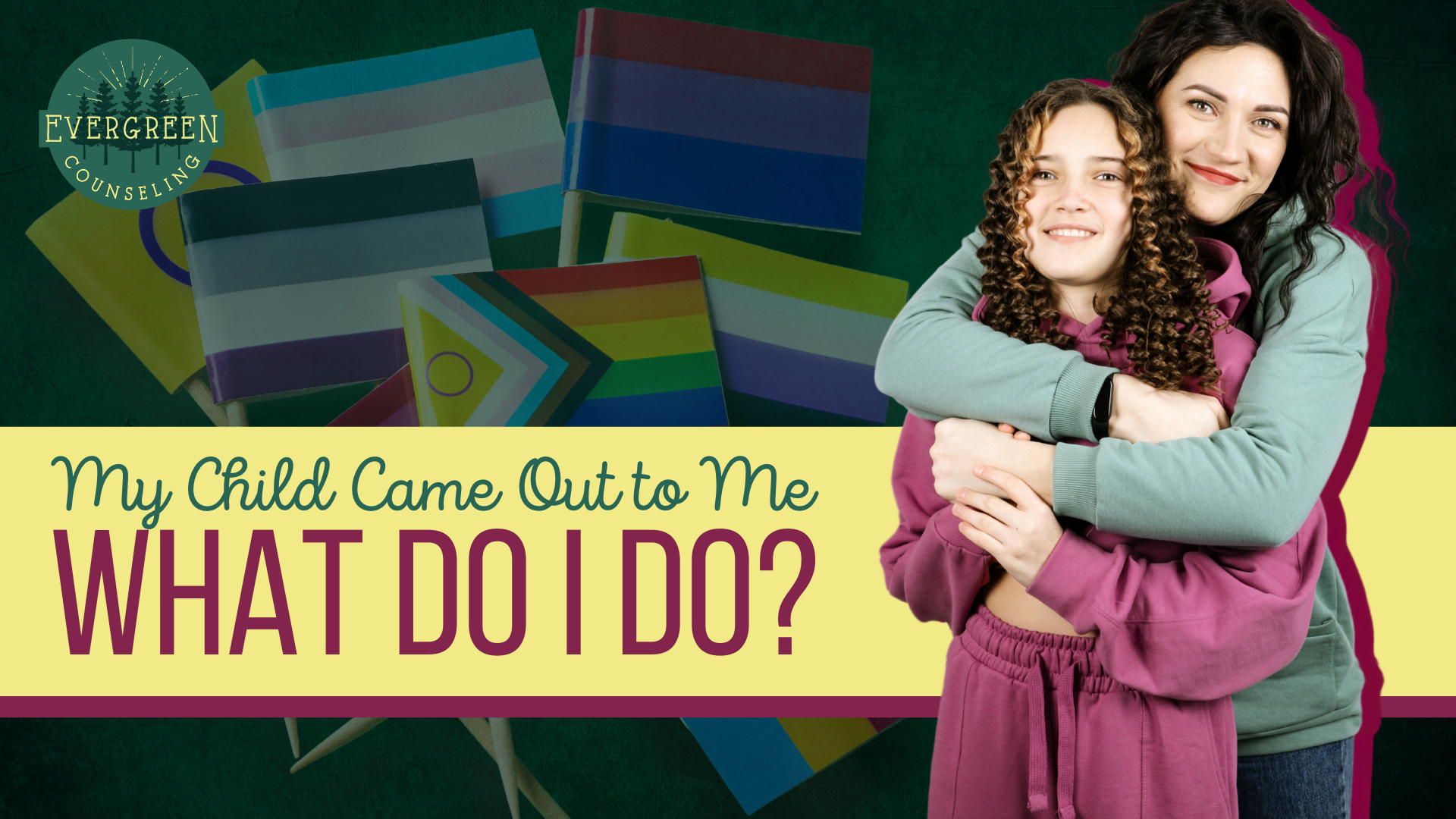
First, I want to recognize the emotions that are coming up for you.
Maybe in this moment you feel scared, surrounded by questions of the unknown.
“What might this mean for my child?”
“What will their future look like?”
You might feel isolated, worried that others could target your child or view their identity as a moral or parental failure. You might also feel an immense amount of relief, pride, or even joy that your child shared this part of themselves with you.
Please know: Your emotions are valid. These reactions are your body’s response to change. At the same time, no matter your emotions, values, or beliefs, it’s important to navigate this conversation with care.

I think about my own coming out story and my journey toward figuring out my sexuality. When I was in middle school, I was so ashamed of how I felt that I lost sleep, struggled to keep up with school, and struggled a lot with my mental health.
I didn’t know at the time how impactful and utterly life-changing it would be to have a safe adult with whom I could share this part of myself.
WHAT TO DO
If you feel stuck during this time, unsure of how to move forward or how to navigate conversations with your child, I have some insights for you. Please know that this comes from a place of empathy as a queer child who has lived this experience.
Lead with curiosity, not judgment. Regardless of our upbringing, values and beliefs, we have one key thing in common: We are all hurt by judgment. It’s okay to not understand queerness or the LGBTQ+ community, but at this moment your child does not need you to be an LGBTQ+ expert. They need a safe person to listen to them. Practice active listening by telling your child: “Thank you for being open with me. I am here for you.” Remember: judgment will shut them down.
Recognize their strength as well as their concerns. Although coming out is something that can be liberating( I described my experience as “a major weight lifted off my chest”), it can also be terrifying. While LGBTQ+ visibility is increasing, as are concerns for safety and accessibility to LGBTQ+ affirming services. The community feels scared right now, and your child very well may also feel that fear. Name the fear and remind them that you are here alongside them in it. You are not only a parent; you are an advocate.
Take time to learn about both your child’s identity and the community as a whole. When I work with clients, I refer to the concept of storytelling – that each experience is uniquely theirs. While it’s important to listen to your child’s unique story, it’s also important to take time to educate yourself. Engaging with LGBTQ+ books, podcasts or YouTube videos by affirming creators and queer folx will help your child see that you care about them and their community.
Ask how they want to be supported. This question does NOT make you a bad parent. If you are unsure about what you can do to support your child, that is okay! Children appreciate honesty. Directly asking them what they need is something that makes them feel respected and empowered. If they do not know what they need currently, that is also okay! Simply being with them as they navigate their identity can make a world of difference.
Remember… your child is still your child. At the end of the day, your child’s sexual orientation, gender identity and/or gender expression is a part of your child. They are the human that you have raised, nurtured and supported. Remember to tell them that this information does not change your love for them. They might need reassurance that everything is okay just like you might need some, too.
It's important for you to have support, too.

I am a big proponent of the saying: “I can’t provide support to others if I don’t accept support myself.” The emotions you feel are valid, of course, but it is your responsibility to find ways to process them in a way that does not shut the door your child opened.
Support also comes in the form of self-compassion. You do not need to get it right immediately. It is okay to be a work in progress. If your child comes out as transgender, non-binary or gender non-conforming and uses different pronouns than the ones given at their birth, you may slip up at times and misgender them. Things take time, and you are trying. That is what matters the most – showing up for your child – and showing them that they matter just as they are.
Please know that when your child comes out to you, it shows that they trust you. They want to be heard, and they chose you to listen. This is an honor. It speaks to the way they view you.
Your child needs emotional safety, and you may be one of the only sources they have at this moment. However, there are safe people and resources out there.
RESOURCES
Below are some great resources – locally, state-wide, and even nationally – that are available for LGBTQ+ youth, parents and families.
Local:
Youth Outlook Support Groups & Drop-In Center: https://youth-outlook.org/ (Look up services by county/city)
Naper Pride: https://naperpride.org/ (Volunteer options & support for DuPage County LGBTQ+ individuals)
State (Illinois):
Illinois Pride Connect: https://www.ilprideconnect.org/ (New initiative for LGBTQ+ Illinois support launched August 2025)
National:
The Trevor Project: Call 866-488-7386, or Text “START” to 678678
PFLAG: https://pflag.org/ (Largest support organization for LGBTQ+ individuals and families)
As an LGBTQ+ affirming counselor and a queer person myself, I empathize with your experience as I have had – and continue to have – my own unique coming out journey. (and still do). I find great joy in working with families and youth who are LGBTQ+ as I personally know how powerful it is to have someone in your life who sees you for you. If you or your child are looking for an affirming counselor, I am actively taking clients and would be honored to explore this journey with you.
Warmly,
Lauren