

Safe and Sound Protocol
Healing Through Music
The healing potential of music is a time-honored (and well-researched) phenomenon. Evergreen Counseling offers the power of sound healing through the Safe and Sound Protocol.
What is the Safe and Sound Protocol (SSP)?
The founders of the SSP describe the program as “a powerful listening therapy designed to help regulate the nervous system, so you can better connect with yourself, others and the world around you”.
The SSP was created by Dr. Stephen Porges, a world-renowned psychologist, author, researcher, and originator of Polyvagal Theory. Polyvagal Theory is the backbone of the SSP’s design. The program uses filtered music, delivered over a series of sessions, that is formulated to provide safety cues to your nervous system. This leads to positive effects like improved emotional regulation, reduced sensory overload, improved connection in relationships, and an overall increased sense of safety in your body.

Our Therapist Trained in the Safe and Sound Protocol
How does the SSP work?
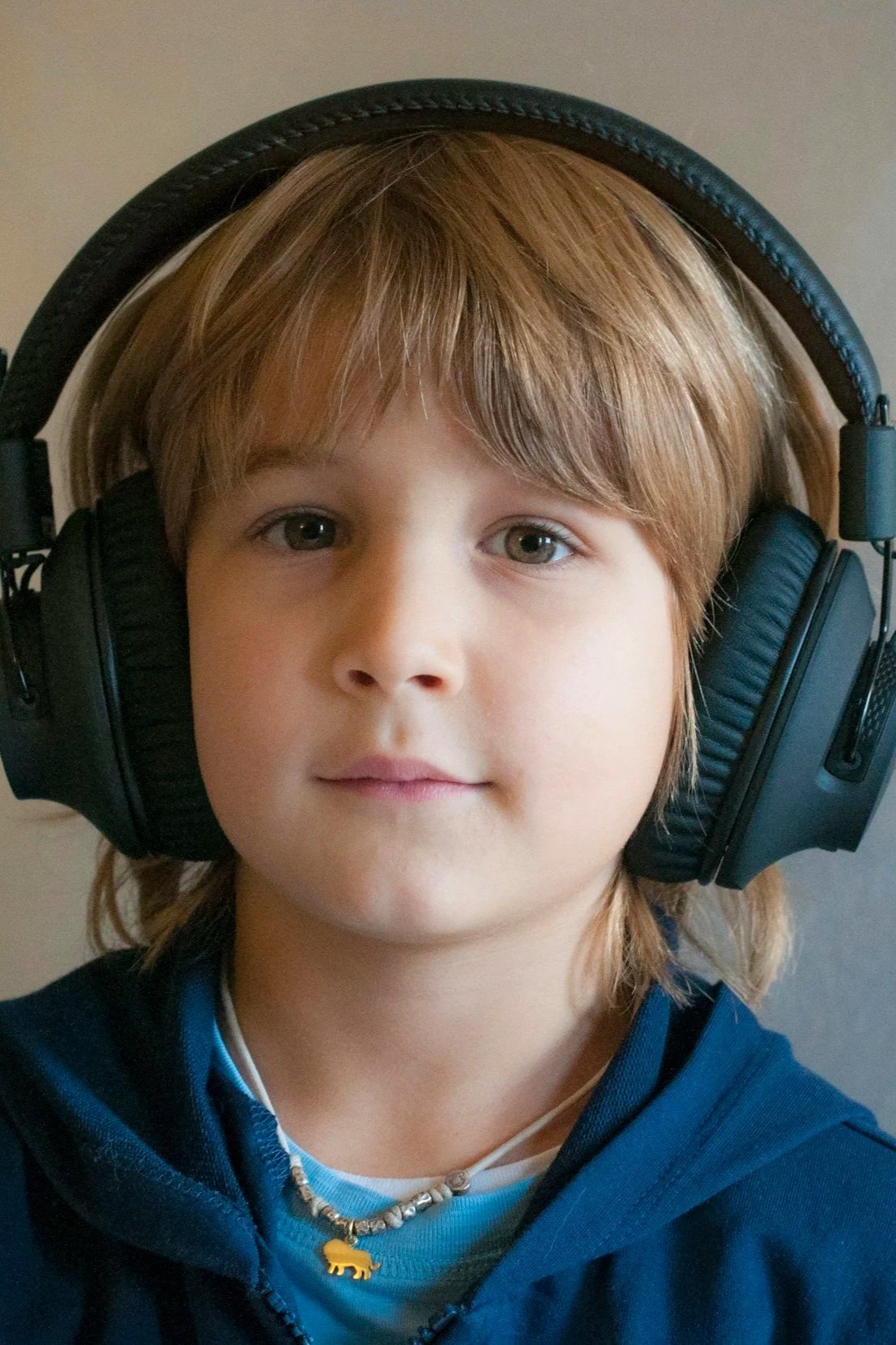
The SSP uses specially filtered music to deliver safety and regulation to the body. The music is filtered to emulate prosodic voice – which is the vocal tone humans use to let others know that they are there to offer safety and comfort. Think about the soothing pitch and tone of voice a parent uses to calm their child. That’s prosodic voice.
The program is five hours total and delivered over a series of sessions. You and your therapist will work together to come up with a custom listening program based on your nervous system needs, therapy goals, and musical preferences. To learn more about the science behind the SSP, click here.
The SSP has been tested and used to treat a variety of wellness issues. You might find the SSP helpful if you experience any of the following:
You have experienced developmental or complex trauma without much relief from talk therapies
You feel depressed and stuck
You have chronic anxiety and panic attacks
You are neurodivergent and struggle with hyperactivity, focus, or sensory issues
How to know if the SSP is the right therapy for you?
FAQs
-
SSP work begins after an initial intake session, where the therapist will learn more about you to better understand your symptoms and therapy goals. The therapist will also spend time describing the SSP process, how it works, and answering questions.
Once a relationship has been established, the SSP work can begin in the following sessions – but only with express consent from the client. In a typical SSP session, you may spend some time processing emotions and events through traditional talk therapy, then will spend time listening to your SSP program.
The therapist is in the room to act as a co-regulator, helping you work through any thoughts or body sensations that happen while listening. While you’re listening, you can lay back and relax, or you can engage in a low-effort activity like drawing, walking, or stretching. Listening sessions can last as little as five minutes, or extend to 30 minutes, depending on your treatment plan.
-
Yes, you can. SSP sessions may include an element of talk therapy, where up to half the session can be the therapist and client talking to one another. The SSP is known to be a great “add-on” treatment with other popular therapy practices like EMDR, Somatic Experiencing, Internal Family Systems, Cognitive Behavioral Therapy, and more.
-
There is no need for you to pause therapy with your primary therapist while you participate in the SSP. We encourage all clients to stay with their current therapists for ongoing processing and support, especially since the SSP does not typically include much verbal processing.
-
There may be many signs that the SSP is helping you, including: feeling more regulated and safer in your body, feeling less anxious, and being able to verbalize your feelings or experiences in a more productive way. Some people have reported improved ability to focus and reduced sensitivity to stimuli that they used to struggle with.
-
The SSP can be administered to people of all ages, and as young as 18 months old. In fact, the program has well documented success in treating symptoms of ADHD and autism in children. At Evergreen Counseling, we provide the SSP to children as young as five years old.
-
Yes, it is possible to take part in the SSP therapy in a virtual environment. The program is delivered through a third-party application that is accessible via your phone or home computer, which makes it easy to access at any time.
-
To get access to the SSP delivery application, there is a $200 upfront fee that is not covered by insurance. The fee gets you a year-long subscription to the app, where you can access your listening program at any time. Otherwise, the actual in-session delivery of the SSP is considered outpatient therapy treatment, and will be billed as outpatient therapy treatment to your insurance company, if you use insurance benefits for therapy services. Your typical fee (copay, co-insurance or cash rate) will still apply.
Licensed Clinical Professional Counselor
Lindsay works with Adults and Couples